

I went to the DMV early on a Monday morning. 20 other people had the same idea.
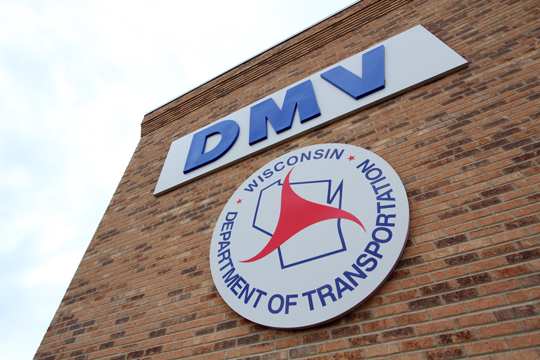
I stood in line, waiting with paperwork in my hand. I needed to renew my license and get the Real ID added to the license. Did I bring all of my paperwork? Will they accept this documentation I brought? I had to bring paperwork from the moment I was born to my wedding date to proof of residence since then.
I stood in line, the room was buzzing with people talking. I looked up at the ceilings and noticed they were vaulted with steel beams. As a musician, I always pay attention to acoustics; where the sound is going and where it is bouncing off to. I compare it to a billiards game.
I was also thinking about the people who are waiting in line whose primary language isn’t English. I was thinking about the people who were older and had a harder time hearing the workers ask them questions behind Plexiglas and masks.
While waiting in line, I saw a booth of the League of Women Voters, pushing information for citizens to know their voting rights, make sure they are registered, and to answer any questions they may have.
Then I looked out to the waiting room as I was searching for a seat. More than half had their phones out, a few brought books and magazines, and we have the glowing TV monitors showing commercials and ticket numbers. How easy it is to be entertained by something to pass the time nowadays.
Me? Sure, I played on my phone a bit, but for the 80 minutes I was at the DMV, proving my existence with pieces of paper, wondering if my license photo is actually going to be a good one, I was mainly noticing the parallels between what I was going through and what my ancestors went through 200 years ago or earlier as they landed on the shores of America and were getting checked in at the port.
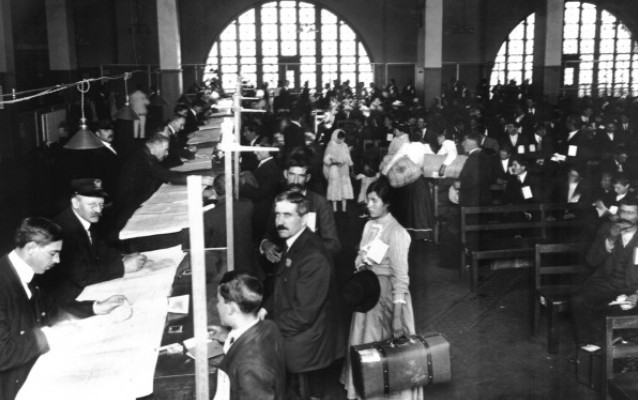
— How long did they have to stand in line with their luggage and paperwork?
— Were there obstacles when conversing with the workers?
— What booths and other agents were going up and down the lines pushing their literature?
— What happened if they didn’t provide the paperwork that was needed because it was lost or damaged or just didn’t exist?
— How did they entertain their kids while they had to wait? How did they entertain themselves?
— How much did their feet hurt?
We spend so much time chasing after the documentation that the actual lived experience gets overlooked. Imaging the experience, whether you are able to go to the port or not, can add so much to the narrative and it helps to gain the insight after you get the documents (passenger lists) and studied the history of the port for historical context.